
Blog
Lump Charcoal vs Briquettes 2026: Which Is Better for Grilling?

Lump Charcoal vs Briquettes: Which Is Better for Grilling?
Table of Contents
- Definition
- Flavor Impact
- Heat Retention
- Ease of Lighting
- Environmental Considerations
- Cost Comparison
- Practical Grilling Tips
- Conclusion
Lump Charcoal is the star of many backyard barbecues, offering a natural, wood‑smoked flavor that many grill enthusiasts adore. In contrast, briquettes are manufactured from compressed charcoal dust and binders, designed for convenience and consistent heat output. This article compares the two to help you decide which is best for your grilling style.
Definition
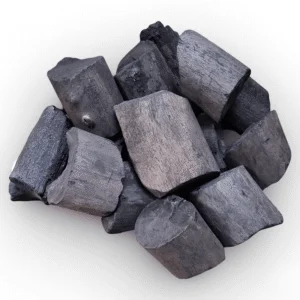
Lump Charcoal is produced by burning hardwood in a low‑oxygen environment, leaving behind pure carbon chunks. Briquettes, on the other hand, are made by mixing charcoal dust with additives such as starch, coal tar, or sawdust, then compressing the mixture into uniform shapes. Both types are used as fuel for grilling, but their origins and properties differ significantly.
Flavor Impact
One of the biggest advantages of Lump Charcoal is its ability to impart a distinct, smoky aroma to grilled foods. Because it contains no added binders, the flavor profile remains true to the wood source. Briquettes, however, may release chemicals from their binders, slightly altering the taste. For those seeking an authentic barbecue experience, Lump Charcoal often wins.
Heat Retention
Lump Charcoal typically reaches temperatures between 700–900°F, but its heat can drop more quickly than that of briquettes, which are engineered to maintain steady heat for extended periods. If you’re grilling large cuts of meat or need a prolonged cooking session, briquettes provide a more reliable heat source. Nonetheless, Lump Charcoal’s high heat bursts can be advantageous for searing.
Ease of Lighting
Lighting Lump Charcoal requires a bit of patience; you need to allow the pieces to ignite properly, which may take several minutes. Briquettes generally light faster due to their composition and are often pre‑treated with flint or lighter fluid for convenience. For quick start-ups, briquettes are the go‑to, but seasoned grillers often prefer the ritual of lighting Lump Charcoal.
Environmental Considerations
Lump Charcoal is considered more eco‑friendly because it is made from natural hardwood and produces fewer pollutants. Briquettes, while convenient, often contain binders that emit volatile organic compounds (VOCs) during combustion. If sustainability is a priority, Lump Charcoal is the greener choice.
Cost Comparison
Price-wise, Lump Charcoal can be slightly more expensive per pound compared to briquettes, especially when sourced locally. However, because Lump Charcoal burns hotter and faster, you may need less quantity overall, potentially offsetting the cost. For budget buyers, briquettes are typically cheaper per unit, but the total usage may balance out over time.
Practical Grilling Tips
- Use a charcoal chimney to light Lump Charcoal quickly and avoid lighter fluid.
- Keep a small tray of dry Lump Charcoal on hand for flare‑ups during grilling.
- When grilling with briquettes, use a drip pan to catch excess fat and reduce flare‑ups.
- Try mixing a few Lump Charcoal pieces with briquettes for a balanced heat profile.
- Store Lump Charcoal in a cool, dry place to maintain its integrity.
For more detailed information, visit this trusted source or explore our website for premium Lump Charcoal options.
Conclusion
Choosing between Lump Charcoal and briquettes ultimately depends on your grilling priorities. If flavor authenticity and environmental friendliness are paramount, Lump Charcoal stands out. If you value consistent heat and quick ignition, briquettes may be preferable. Many grill masters find a hybrid approach—using both types strategically—offers the best of both worlds.