Blog
Lump Charcoal vs Briquettes 2026: Best Smart Choice

Lump Charcoal vs Briquettes 2026: Best Smart Choice: lump charcoal briquettes
Table of Contents
H2 Sourcing Certified Lump Charcoal & Briquettes for Global Markets
- Lump Charcoal vs Briquettes: What Are They?
- Heat and Temperature Control
- Burn Time and Efficiency
- Flavor, Smoke, and Ash
- Pros and Cons of Lump Charcoal
- Pros and Cons of Briquettes
- Which BBQ Fuel Should You Choose?
- Key Factors Before Buying
- Final Considerations
Choosing the right BBQ fuel can affect heat, cooking time, smoke, flavor, and cleanup. Lump Charcoal and briquettes are two popular options, but they behave differently on a grill.
H2 Packaging, Logistics and Bulk Supply Specifications
For home cooks, BBQ enthusiasts, restaurants, and catering businesses, understanding these differences makes fuel selection easier. The right option depends on your cooking style, equipment, budget, and desired results.
Lump Charcoal vs Briquettes: What Are They?
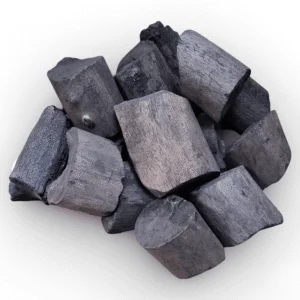
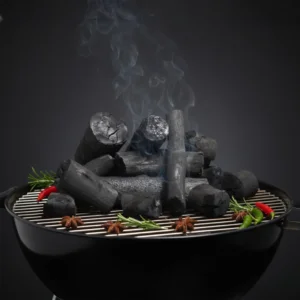
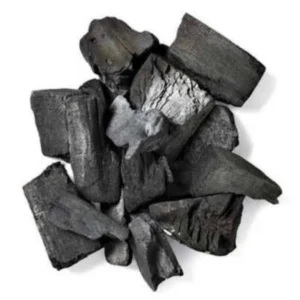
Lump Charcoal is made by heating natural wood in a low-oxygen environment until moisture and volatile compounds are removed. The result is irregular pieces of carbonized wood that can ignite quickly and produce high heat.
Briquettes are manufactured from processed charcoal fines and other permitted binding or forming materials. Their uniform shape and size make them easier to measure and arrange for consistent cooking sessions.
Heat and Temperature Control
Lump Charcoal generally reaches high temperatures quickly, making it useful for searing steaks, burgers, kebabs, and other foods that benefit from intense heat. Its irregular pieces can create hot spots, so cooks may need to manage the arrangement of the fuel.
Briquettes usually provide a more predictable heat pattern because their standardized shape supports even distribution. This can be useful for longer cooks where stable temperature matters more than rapid heat-up.
Burn Time and Efficiency
One advantage of Lump Charcoal is its fast response. It can be ready for cooking sooner, although smaller pieces may burn relatively quickly depending on airflow and grill design.
Briquettes are often selected for their steady, extended burn. For long BBQ sessions, this predictable behavior can reduce the need to add fuel frequently, although actual performance varies by product formulation and cooking conditions.
Flavor, Smoke, and Ash
Lump Charcoal made from suitable hardwood can provide a clean charcoal cooking experience and may contribute a subtle smoky character. The flavor depends on the wood species, production method, food, and ventilation.
Briquettes can also work well for BBQ, especially when a consistent cooking environment is the priority. Ash production varies between products, so buyers should check product specifications when low-ash operation is important.
Pros and Cons of Lump Charcoal
- Pros: fast ignition, high potential heat, responsive temperature changes, and natural irregular wood pieces.
- Cons: uneven piece sizes, possible hot spots, and variable burn duration depending on piece size and airflow.
Pros and Cons of Briquettes
- Pros: uniform shape, predictable arrangement, steady heat, and convenient portioning.
- Cons: slower heat response in some products, more ash in some formulations, and performance differences between brands.
Which BBQ Fuel Should You Choose?
Choose Lump Charcoal when fast heat, high-temperature grilling, and responsive fire control are important. It can be a practical choice for searing and shorter BBQ sessions where quick temperature changes are useful.
Choose briquettes when consistent heat, easy portioning, and longer cooking sessions are priorities. They can be particularly convenient for catering, repeated grilling, or cooks that require stable temperatures.
For commercial buyers, fuel selection should also consider packaging, moisture protection, piece consistency, ash content, heat performance, and supply reliability. Comparing specifications and testing samples can help identify the most suitable product for a particular grill and menu.
Key Factors Before Buying
- Check the wood or raw material source and production method.
- Review piece size or briquette dimensions for your grill.
- Compare ignition speed, heat output, and expected burn duration.
- Consider ash levels and how often the grill needs cleaning.
- Evaluate packaging and storage conditions to protect fuel from moisture.
- For wholesale orders, confirm specifications, packaging options, minimum order quantities, and delivery terms.
For general background on charcoal, see this trusted reference. To explore commercial charcoal supply options, visit our website.
Final Considerations
There is no single fuel that suits every BBQ application. Lump Charcoal can offer rapid heating and strong temperature response, while briquettes can provide convenient sizing and steady heat.
The best decision comes from matching fuel characteristics with your grill, cooking method, desired flavor, session length, and purchasing requirements. Comparing samples under real cooking conditions can provide a practical basis for choosing between the two.
Direvisi oleh adminDG
Related Posts
5 Reasons Commercial BBQ Venues Choose Premium Hardwood Charcoal
Hardwood Charcoal vs Coconut Charcoal 100%: Which Is Best?

3 Popular Shapes of Charcoal Briquettes Compared for B2B Importers

5 Key Factors to Import Bulk Charcoal From Indonesia

7 Amazing Facts About Eco-Friendly Charcoal Briquettes

5 Reasons Charcoal Briquettes Help Reduce Global Deforestation
7 Best Tips to Buy Long Burning Charcoal Briquettes at Best Price
Coconut Shell Charcoal vs Hardwood Charcoal: 5 Key Industrial Uses

5 Key Reasons Coconut Charcoal Briquettes Beat Hardwood
7 Powerful Charcoal Tips for Choosing the Best Quality
Indonesian Charcoal: 7 Premium Quality Buying Tips