
Blog
7 Powerful Tips for Choosing the Best Charcoal for Grilling

Table of Contents
- How to Recognize Quality Charcoal
- Choose the Right Charcoal Type
- Consider Heat and Burn Time
- Check Ash Production
- Avoid Moisture and Poor Storage
- Match Charcoal to Your Grilling Needs
- Final Tips for Better Grilling
Charcoal: 7 Powerful Tips for Perfect Grilling: powerful choosing charcoal
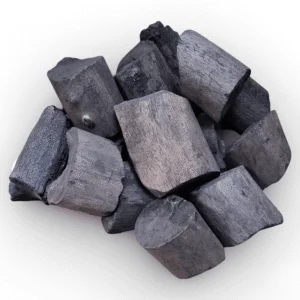
Choosing the right Charcoal can make a significant difference in grilling performance. The quality of your fuel affects heat, cooking time, smoke, flavor, and how consistently your grill performs.
H2 1
Whether you grill at home or operate a restaurant, understanding the characteristics of good Charcoal helps you achieve more reliable results. This guide explains practical factors to consider before buying.
H2 3
1. Look for Consistent Charcoal Quality
High-quality Charcoal should have a relatively consistent size and structure. Pieces that are extremely small or heavily broken can burn faster and make temperature management more difficult.
Good charcoal should also appear well carbonized, with a solid texture rather than excessive untreated wood. Consistency is particularly important for restaurants and commercial kitchens that need predictable grilling performance.
2. Choose the Right Charcoal Type
Different types of Charcoal are designed for different grilling preferences. Hardwood lump charcoal is commonly selected for its natural composition, high heat potential, and relatively fast ignition.
Charcoal briquettes are another option and are often valued for their uniform shape and predictable burning characteristics. Consider your grill, cooking style, and desired temperature before selecting a specific type.
- Hardwood lump charcoal for high-heat grilling
- Charcoal briquettes for consistent size and burning
- Premium grades for demanding commercial applications
- Specialized charcoal products for particular cooking requirements
3. Consider Heat Output and Burn Time
The best Charcoal for grilling should provide enough heat for your cooking method while maintaining a practical burn time. High-quality fuel can help reduce the need for frequent refueling during longer grilling sessions.
For steaks and other foods requiring intense heat, charcoal with strong heat performance may be preferable. For extended cooking, a product with stable and sustained burning characteristics can be more convenient.
4. Check Ash Production
Ash production is another important consideration when choosing Charcoal. Excessive ash can accumulate inside the grill, restrict airflow, and make temperature management less convenient.
Low-ash charcoal can help keep the cooking area cleaner and support better airflow. This can be especially useful for restaurants where grills may be used repeatedly throughout the day.
5. Avoid Moisture and Poor Storage
Even good Charcoal can perform poorly when exposed to moisture. Damp fuel may be difficult to ignite, produce inconsistent heat, and create more smoke during the initial burning stage.
Store charcoal in a dry, well-ventilated location and keep it protected from rain and direct moisture. Proper storage helps preserve fuel quality until it is ready to use.
6. Match Charcoal to Your Grilling Needs
Your cooking application should influence your choice of Charcoal. Home users may prioritize easy ignition and convenient handling, while restaurants and catering businesses may focus more on consistent heat and reliable supply.
Before purchasing, consider these factors:
- Type of grill and cooking equipment
- Required cooking temperature
- Expected burn duration
- Frequency of grilling
- Quantity required per cooking session
- Storage conditions and available space
For additional background about charcoal and its production, visit this trusted reference. For commercial charcoal solutions, you can also visit our website to explore available options.
7. Prioritize Reliable Charcoal for Consistent Results
When comparing Charcoal products, do not focus only on appearance or purchase price. Product consistency, burn characteristics, ash level, moisture condition, and suitability for your application are equally important.
For buyers purchasing in larger quantities, working with a reliable supplier can also simplify quality control and ongoing procurement. Consistent fuel helps businesses maintain predictable grilling processes across multiple cooking sessions.
Ultimately, the right Charcoal depends on your equipment, menu, cooking temperature, and operating requirements. By evaluating quality, heat, burn time, ash production, and storage condition, you can select charcoal that supports efficient and enjoyable grilling.
Direvisi oleh adminDG
Related Posts
7 Sustainable Ways Charcoal Reduces Global Carbon Footprints
5 Reasons Commercial BBQ Venues Choose Premium Hardwood Charcoal
Hardwood Charcoal vs Coconut Charcoal 100%: Which Is Best?

3 Popular Shapes of Charcoal Briquettes Compared for B2B Importers

5 Common Fuel Mistakes Hookah Lounges Make Selecting Charcoal

5 Key Factors to Import Bulk Charcoal From Indonesia

7 Amazing Facts About Eco-Friendly Charcoal Briquettes
5 Best Reasons Commercial Kitchens Rely on Charcoal

5 Reasons Charcoal Briquettes Help Reduce Global Deforestation
7 Best Tips to Buy Long Burning Charcoal Briquettes at Best Price
Coconut Shell Charcoal vs Hardwood Charcoal: 5 Key Industrial Uses
