
Blog
7 Smart Charcoal Tips for Choosing the Right Product

Table of Contents
H2 Evaluating Moisture Content and Fixed Carbon for Bulk Orders
- Types and Characteristics
- Common Uses
- How to Choose the Right Product
- Quality and Sourcing Factors
- Buying for Business
Charcoal: Types, Uses, and Smart Selection Tips: smart charcoal choosing
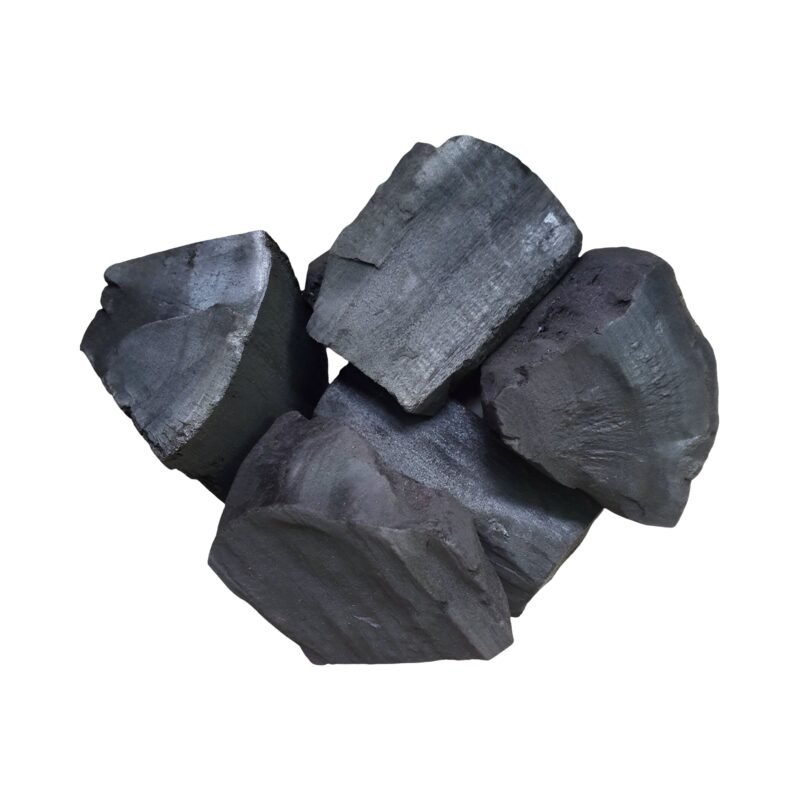
Charcoal is a versatile carbon-rich fuel used for grilling, cooking, hospitality, heating, and selected industrial applications. Understanding its raw material, production method, physical characteristics, and intended use makes purchasing decisions more practical for households and commercial buyers.
H2 Logistics and Packaging Standards for Commercial Charcoal Sourcing
Types and Characteristics
Different fuel products can vary significantly in density, shape, moisture, ash content, heat output, and burn duration. The three broad categories buyers commonly encounter are hardwood, coconut shell, and compressed briquettes.
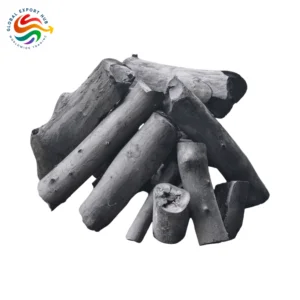
- Hardwood: Produced from selected wood, this option is widely used for grilling and cooking where traditional fuel characteristics and strong heat are desired.
- Coconut shell: Made from coconut shells, it is often selected for applications that require consistent pieces and controlled burning.
- Charcoal briquettes: Carbonized material is processed and compressed into regular shapes. Uniform dimensions can make storage, handling, and heat management easier.
Raw material selection matters because it influences the final fuel characteristics. Buyers should also consider whether the product is intended for restaurants, household cooking, shisha, catering, or another specialized application.
Common Uses
Charcoal is especially popular in food preparation because it can provide high heat and a distinctive cooking environment. Restaurants and caterers may use it for grilling meat, seafood, vegetables, and other menu items.
For shisha, coconut shell briquettes are commonly considered because their regular shape can support predictable placement and heat control. In commercial settings, packaging quality and consistent dimensions can be just as important as the fuel itself.
The suitable option depends on equipment, cooking style, desired heat level, expected burn duration, and operating conditions. Buyers should match specifications to actual usage instead of choosing only by appearance or price.
How to Choose the Right Product
Choosing Charcoal starts with defining the application and the performance characteristics that matter most. A grill-focused restaurant may prioritize heat output and burn time, while a distributor may place greater emphasis on uniform size, packaging, and repeatable specifications.
Before ordering, review these factors:
- Raw material: Confirm the wood or biomass source and whether it suits the intended application.
- Moisture: Excess moisture can affect ignition, handling, and burning performance.
- Piece size: Consistent dimensions can make loading and heat management more convenient.
- Ash characteristics: Ask for expected ash content and performance based on the product specification.
- Packaging: Durable, dry packaging helps protect pieces from moisture and breakage during storage and transport.
- Supply capability: Wholesale buyers should confirm available volume, lead time, packing options, and production consistency.
Quality and Sourcing Factors
Quality should be assessed through specifications rather than appearance alone. Important information may include moisture, ash content, fixed carbon, volatile matter, density, piece size, and packaging details.
For recurring purchases, requesting samples before a larger order can help buyers compare performance and confirm that the delivered material matches agreed specifications. Clear documentation is particularly useful when products are shipped across regions or supplied to multiple business locations.
For general background information, visit Wikipedia. To explore sourcing information and available products from CV BERKAH WIJIL, visit our website.
Buying for Business
Commercial buyers should compare suppliers using consistent criteria. Instead of looking only at unit price, consider usable output, breakage, moisture protection, packaging efficiency, delivery requirements, and consistency between batches.
A clear purchase specification can include product type, raw material, dimensions, packing method, quantity, quality parameters, delivery schedule, and inspection requirements. This helps both buyer and supplier establish the same expectations before production and shipment.
For distributors, restaurants, and importers, reliable supply is another important consideration. A supplier that can communicate specifications clearly and maintain agreed product characteristics can make recurring procurement easier to manage.
Final Considerations
The right fuel depends on the application, equipment, preferred performance, purchasing volume, and quality requirements. Hardwood products may suit traditional grilling, while coconut shell products and briquettes can be practical for applications where regular sizing and controlled performance are important.
Before placing an order, compare samples, specifications, packaging, and supply capability. A well-defined specification helps buyers select the product based on practical requirements and supports a more consistent sourcing process.
Direvisi oleh adminDG
Related Posts
7 Sustainable Ways Charcoal Reduces Global Carbon Footprints
5 Reasons Commercial BBQ Venues Choose Premium Hardwood Charcoal
Hardwood Charcoal vs Coconut Charcoal 100%: Which Is Best?

3 Popular Shapes of Charcoal Briquettes Compared for B2B Importers

5 Common Fuel Mistakes Hookah Lounges Make Selecting Charcoal

5 Key Factors to Import Bulk Charcoal From Indonesia

7 Amazing Facts About Eco-Friendly Charcoal Briquettes
5 Best Reasons Commercial Kitchens Rely on Charcoal

5 Reasons Charcoal Briquettes Help Reduce Global Deforestation
7 Best Tips to Buy Long Burning Charcoal Briquettes at Best Price
Coconut Shell Charcoal vs Hardwood Charcoal: 5 Key Industrial Uses
