
Blog
7 Sustainable Ways Charcoal Reduces Global Carbon Footprints

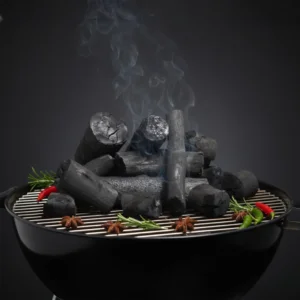
7 Sustainable Ways Charcoal Reduces Global Carbon Footprints
Table of Contents
- Introduction to Sustainable Energy Transition
- Utilizing Agricultural Biomass and Wood Waste
- Achieving Carbon Neutrality in Commercial Heating
- Reducing Harmful Greenhouse Gas Emissions
- Supporting Sustainable Forestry Management
- Maximizing Energy Density and Burning Efficiency
- Decarbonizing Industrial and Commercial Heating
- Conclusion and Sustainable Sourcing Future
Introduction to Sustainable Energy Transition
Transitioning from fossil fuels toward renewable energy sources has become an urgent priority across global industries. Utilizing sustainably produced Charcoal derived from agricultural waste offers a viable solution for reducing heating emissions.
Modern biomass processing transforms organic leftovers into high-density Charcoal, minimizing deforestation and industrial carbon footprints. Learn more about sustainable bioenergy harvesting practices on Wikipedia.
1. Utilizing Agricultural Biomass and Wood Waste
Conventional heating fuels rely heavily on fossil extraction that depletes finite natural reserves continuously. In contrast, bio-based Charcoal repurposes coconut shells, hardwood residues, and agricultural byproducts efficiently.
By upcycling organic waste into dense carbon fuel, manufacturers prevent raw biomass from decomposing in landfills. This zero-deforestation approach ensures that Charcoal production supports environmental conservation ecosystems globally.
2. Achieving Carbon Neutrality in Commercial Heating
Combusting fossil fuels releases stored underground carbon into the atmosphere, accelerating climate disruption. Burning renewable Charcoal releases only the carbon absorbed by plants during their natural growth cycle.
This closed-loop carbon cycle renders biomass Charcoal virtually carbon-neutral over its entire operational lifespan. Commercial operators adopting bioenergy significantly improve their corporate sustainability ratings without sacrificing heat performance.
3. Reducing Harmful Greenhouse Gas Emissions
Traditional coal combustion emits heavy sulfur dioxide, nitrogen oxides, and toxic particulate matter into urban air. High-quality Charcoal burns significantly cleaner, emitting negligible sulfur and low smoke volumes during combustion.
Advanced carbonization methods optimize purity, ensuring that Charcoal burns without releasing harmful volatile organic compounds. Clean air performance makes bio-fuel suitable for both industrial facilities and commercial kitchens.
4. Supporting Sustainable Forestry Management
Ethical supply chains require strict oversight to ensure raw timber is harvested responsibly. Sourcing eco-friendly Charcoal encourages sustainable forest management certified by international environmental protection bodies.
Responsible forestry practices ensure tree replanting cycles exceed harvest rates consistently. Discover our certified biomass fuel products on our website to support sustainable sourcing.
5. Maximizing Energy Density and Burning Efficiency
Raw wood chips and green biomass contain excessive moisture, leading to inefficient low-temperature burning. Processed Charcoal undergoes pyrolytic thermal processing that eliminates moisture and increases fixed carbon density.
High thermal efficiency allows commercial users to burn less Charcoal volume to achieve target heating temperatures. Lower fuel consumption directly decreases transport logistics costs and associated carbon transportation emissions.
6. Decarbonizing Industrial and Commercial Heating
Heavy industries and food service sectors face growing regulatory pressures to lower carbon outputs. Replacing fossil coal with high-calorie Charcoal provides a seamless drop-in fuel alternative requiring minimal equipment retrofitting.
Commercial grillers, metallurgical facilities, and heating plants benefit from steady thermal delivery. Adopting high-carbon Charcoal enables immediate emissions reductions while maintaining high-capacity operational output.
7. Conclusion and Sustainable Sourcing Future
Integrating renewable biomass Charcoal into commercial heating frameworks accelerates global decarbonization goals. Sourcing high-purity carbon fuels protects natural ecosystems while delivering reliable, high-temperature energy performance.
Partner with certified Indonesian biomass exporters to secure sustainable fuel inventories for your business. Contact our expert team today to explore clean energy solutions tailored to your operational needs!
Related Posts
5 Reasons Commercial BBQ Venues Choose Premium Hardwood Charcoal
Hardwood Charcoal vs Coconut Charcoal 100%: Which Is Best?

3 Popular Shapes of Charcoal Briquettes Compared for B2B Importers

5 Common Fuel Mistakes Hookah Lounges Make Selecting Charcoal

5 Best Ways Coconut Shell Briquettes Enhance Your Shisha Experience

5 Key Factors to Import Bulk Charcoal From Indonesia
5 Best Reasons Commercial Kitchens Rely on Charcoal

5 Reasons Charcoal Briquettes Help Reduce Global Deforestation
7 Best Tips to Buy Long Burning Charcoal Briquettes at Best Price
Coconut Shell Charcoal vs Hardwood Charcoal: 5 Key Industrial Uses
Coconut Charcoal: 5 Reasons It Outperforms Hardwood Lump