Blog
Hardwood Charcoal vs Coconut Charcoal 2026: Which Is Better?

Table of Contents: hardwood charcoal coconut
- Hardwood Charcoal vs Coconut Charcoal: A Practical Comparison
- What Is Hardwood Charcoal?
- What Is Coconut Charcoal?
- Hardwood Charcoal vs Coconut Charcoal for Grilling
- Which Charcoal Should You Choose?
Hardwood Charcoal vs Coconut Charcoal: A Practical Comparison
Choosing the right fuel can change the way food cooks, how long a grill stays hot, and how much ash you clean afterward. This guide compares both fuels so home cooks, restaurants, and food businesses can make a practical decision.
What Is Hardwood Charcoal?
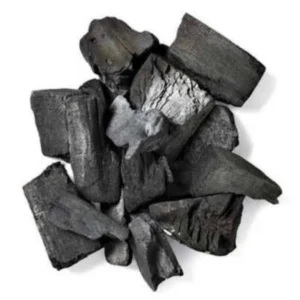
Hardwood Charcoal is produced by heating dense wood in a controlled, low-oxygen process. The result is a carbon-rich fuel that can reach high cooking temperatures and is commonly used for grilling meat, seafood, vegetables, and other foods.
One major advantage is its natural wood character. Depending on the wood species and production method, it can provide a pleasant smoky aroma that complements grilled food. Lump sizes can also create strong, direct heat for searing.
Key advantages include:
- High heat potential for grilling and searing
- Natural smoky character from selected wood
- Useful for quick-cooking foods and high-temperature recipes
- Available in different lump sizes for commercial and home grills
However, this fuel can vary in size, moisture, ash content, and burn consistency. Quality therefore depends heavily on the raw material, carbonization process, screening, packaging, and storage conditions.
What Is Coconut Charcoal?
Coconut charcoal is made from coconut shells, turning an agricultural by-product into a useful solid fuel. It is often processed into uniform pieces or briquettes, which can provide predictable burning and convenient handling.
Coconut charcoal is attractive for users who prioritize consistent shape, longer burning performance, and relatively low ash. Its uniform briquette format can also make temperature management easier for certain grills and food-service operations.
Common benefits include:
- Consistent size and shape, especially in briquette form
- Long and steady burning when properly produced
- Relatively low ash in many quality products
- Efficient use of coconut-shell waste
The main consideration is that coconut charcoal may not deliver the same wood-smoke character that some grillers want. Briquettes can also require more time to ignite, depending on density and formulation.
Hardwood Charcoal vs Coconut Charcoal for Grilling
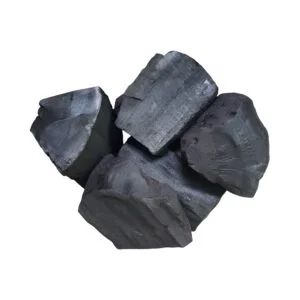
The better choice depends on your cooking style rather than a single universal standard. Hardwood Charcoal is often preferred for high-heat grilling, fast searing, and recipes where a recognizable smoky profile is desirable.
Coconut charcoal can be a strong option when steady heat, uniform pieces, longer burn time, and lower ash are more important. This can be especially useful for restaurants or frequent grill users who value predictable fuel behavior.
Consider these factors before buying:
- Heat: Choose based on the temperature your recipe requires.
- Flavor: Hardwood generally offers a more noticeable wood-derived smoke character.
- Burn time: Quality coconut briquettes can provide steady, extended heat.
- Ash: Low-ash coconut products can reduce cleanup, although actual performance varies.
- Handling: Uniform briquettes are easy to portion, while lump charcoal offers varied natural sizes.
- Sustainability: Coconut shell charcoal can make productive use of an agricultural by-product.
For a broader background on charcoal and carbon materials, see this trusted Wikipedia resource. For product options and export information, visit our Hardwood Charcoal website.
Which Charcoal Should You Choose?
There is no single winner for every grill. Hardwood Charcoal can be the better match for traditional grilling, strong searing heat, and natural smoky flavor, while coconut charcoal can be better for steady heat, uniform fuel, and efficient long-duration cooking.
Before selecting a product, check moisture, ash level, fixed carbon, piece size, packaging, and burn performance. For commercial buyers, consistency between batches is especially important because it affects cooking results and operating costs.
Ultimately, the best fuel is the one that fits your grill, menu, cooking duration, and desired flavor. Compare specifications carefully, test a sample batch when possible, and choose a reliable supplier for consistent grilling performance.
Direvisi oleh adminDG
Related Posts
5 Reasons Commercial BBQ Venues Choose Premium Hardwood Charcoal
Hardwood Charcoal vs Coconut Charcoal 100%: Which Is Best?

3 Popular Shapes of Charcoal Briquettes Compared for B2B Importers

5 Key Factors to Import Bulk Charcoal From Indonesia

7 Amazing Facts About Eco-Friendly Charcoal Briquettes
5 Best Reasons Commercial Kitchens Rely on Charcoal
Coconut Shell Charcoal vs Hardwood Charcoal: 5 Key Industrial Uses
Coconut Charcoal: 5 Reasons It Outperforms Hardwood Lump

5 Key Reasons Coconut Charcoal Briquettes Beat Hardwood
7 Powerful Charcoal Tips for Choosing the Best Quality
Indonesian Charcoal: 7 Premium Quality Buying Tips