
Blog
7 Charcoal Tips: Powerful Choices for Every Cooking Method

Table of Contents
- Understanding Charcoal for Cooking
- Charcoal for Grilling
- Charcoal for Smoking
- Charcoal for Roasting
- Charcoal for High-Heat Cooking
- How to Choose the Right Charcoal
- Storage and Handling Tips
Charcoal: Choosing the Best Fuel for Cooking
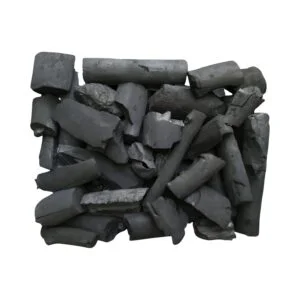
Choosing the right Charcoal can make a significant difference in cooking performance, flavor, heat control, and overall efficiency. Different cooking methods require different heat characteristics, so selecting fuel based on the recipe and equipment is essential.
Whether you are grilling meat, smoking food, roasting vegetables, or cooking at high temperatures, understanding how Charcoal behaves will help you achieve more consistent results.
Charcoal for Grilling
Grilling usually requires steady, relatively high heat that can sear food while maintaining enough control for longer cooking. Lump Charcoal is often preferred for this purpose because it can heat quickly and respond well when airflow is adjusted.
For longer grilling sessions, consistent-sized briquettes can provide a more predictable heat pattern. The best option depends on your grill design, cooking duration, and desired temperature.
- Choose fast-heating fuel for quick grilling.
- Use consistent-sized briquettes for steady cooking.
- Arrange the fuel into direct and indirect heat zones.
Charcoal for Smoking
Smoking requires controlled heat over an extended period. A suitable Charcoal should burn steadily and allow the cook to maintain a low temperature without frequent refueling.
When smoking, avoid relying only on maximum heat output. Temperature stability is more important, while carefully selected wood chunks or chips can provide the additional smoke characteristics desired for different foods.
Charcoal for Roasting
Roasting over charcoal benefits from even, moderate heat. A combination of direct and indirect zones allows food to cook gradually without exposing delicate ingredients to excessive flames.
For whole poultry, large cuts of meat, or vegetables, arrange Charcoal around the sides of the cooking area rather than directly beneath the food. This technique helps create an oven-like environment inside a covered grill.
Charcoal for High-Heat Cooking
Some outdoor cooking techniques require intense heat for searing, wok cooking, or rapid preparation. In these situations, high-quality Charcoal with strong heat output can be advantageous.
However, high heat should always be matched with appropriate ventilation and cooking equipment. Managing airflow is essential because oxygen can significantly influence combustion and temperature.
How to Choose the Right Charcoal
Before purchasing Charcoal, consider the cooking method, required temperature, burn duration, and cooking equipment. The physical characteristics of the fuel can affect how quickly it ignites and how consistently it burns.
- Burn time: Choose longer-burning fuel for extended cooking.
- Heat level: Select fuel capable of reaching the temperature your recipe requires.
- Size consistency: Uniform pieces can make heat management easier.
- Ash production: Lower ash can help maintain airflow and simplify cleanup.
- Cooking environment: Match the fuel to your grill, smoker, stove, or other equipment.
It is also useful to understand the basic characteristics of charcoal as a cooking fuel. For additional background information, visit Wikipedia, a trusted reference for general knowledge about charcoal.
Storage and Handling Tips
Proper storage is just as important as choosing the right Charcoal. Keep unused fuel in a dry, well-ventilated storage area and protect it from moisture, because damp fuel can be difficult to ignite and may produce inconsistent performance.
Keep charcoal away from children, ignition sources, and unsuitable storage areas. Always follow the instructions provided with your cooking equipment and use charcoal only in properly designed cooking appliances.
For businesses looking for reliable charcoal products for foodservice, restaurants, hospitality operations, or distribution, explore our website to learn more about available solutions from CV BERKAH WIJIL.
Ultimately, the best Charcoal is not necessarily the same for every cooking technique. By considering heat intensity, burn time, consistency, and cooking equipment, you can select a fuel that supports better temperature control and more reliable results.