
Blog
7 Powerful Tips for Choosing Quality Charcoal

Table of Contents
- Types of Charcoal
- Common Uses
- Key Benefits
- Quality Evaluation
- Choosing the Right Product
- Supplier Selection
Charcoal: Types, Uses, Benefits, and Buying Guide
Charcoal is a carbon-rich material produced by heating wood or other organic materials in a controlled, low-oxygen environment. It has been used for centuries as a fuel because it burns efficiently, reaches high temperatures, and can provide steady heat.
Understanding the different fuel types is important for buyers, restaurants, distributors, and businesses that need consistent performance. Each type can have different characteristics, depending on the raw material, production process, size, moisture level, and intended application.
1. Types of Charcoal
There are several common fuel types available in international markets. The most suitable choice depends on the application, desired heat, burn time, and purchasing requirements.
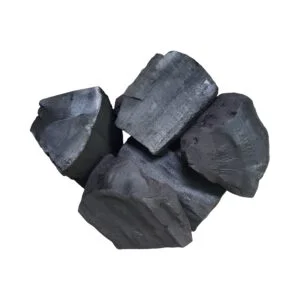
- Lump Charcoal: Made from natural wood and commonly valued for high heat and a relatively clean burning profile.
- Charcoal Briquettes: Formed from processed charcoal particles and binders, often designed for uniform shape and predictable burning.
- Coconut Shell Charcoal: Produced from coconut shells and widely used for specific fuel applications, including shisha and hookah products.
- Hardwood Charcoal: Made from dense hardwood species and often selected for grilling because it can deliver strong, sustained heat.
2. Common Uses of Charcoal
This fuel is best known as a cooking fuel. Restaurants, caterers, barbecue businesses, and households may use it for grilling, roasting, and other cooking methods where direct heat and smoky flavor are desirable.
Beyond cooking, this material can serve several industrial and commercial purposes. Certain grades are used in metal processing, heating applications, water treatment, and other processes where carbon-based materials are required.
3. Key Benefits of Charcoal
One important benefit of this material is its ability to generate substantial heat from a relatively compact fuel source. Good-quality products can also offer dependable burning performance when they are properly produced, dried, packaged, and stored.
For commercial buyers, consistency is especially valuable. Uniform size, controlled moisture, low unwanted impurities, and appropriate packaging can make handling easier and help businesses achieve more predictable results.
- High and consistent heat potential
- Suitable for grilling and commercial cooking
- Different grades available for different applications
- Convenient for wholesale distribution when properly packaged
- Potential for efficient storage and transport
4. How to Evaluate Charcoal Quality
Before purchasing, buyers should examine several technical and practical factors. Quality should not be judged only by appearance because performance depends on the complete production and handling process.
Look for appropriate moisture levels, consistent sizing, suitable density, low ash content where required, and packaging that protects the product from humidity. For wholesale orders, buyers should also confirm specifications, available quantities, packaging options, and quality control procedures with the supplier.
A reliable supplier should be able to communicate product specifications clearly and explain which grade is appropriate for the buyer’s intended market. This is particularly important for importers and distributors who need repeatable quality across multiple shipments.
5. Choosing the Right Charcoal
The right product depends on the end use. A restaurant focused on grilling may prioritize high heat and long burning time, while a distributor may place greater emphasis on uniform sizing, packaging, export capacity, and stable supply.
Before placing a bulk order, define the intended application and required specifications. It is also useful to request product details or samples so that performance can be assessed before committing to larger quantities.
For general background on carbon materials and related terminology, buyers can consult Wikipedia. For product information and business inquiries, visit our website.
6. Why Supplier Selection Matters
Fuel quality can vary significantly between suppliers because raw materials, carbonization methods, grading systems, and storage conditions are not always the same. A dependable supplier can help buyers reduce quality inconsistencies and improve purchasing efficiency.
When evaluating a supplier, consider production capability, product specifications, packaging, communication, and experience with wholesale or export orders. Clear specifications and consistent quality are valuable foundations for long-term business relationships.
Conclusion
This material remains an important fuel and carbon-based material with applications ranging from cooking to industrial processes. By understanding its types, uses, benefits, and quality factors, buyers can make more informed purchasing decisions.
Whether you need lump, briquette, coconut shell, or hardwood products, selecting the right grade and supplier is essential. Careful evaluation of specifications, packaging, and consistency can support better performance and more reliable long-term supply.