
Blog
7 Powerful Hardwood Charcoal Insights from Sustainable Wood

Table of Contents
- Selecting Sustainable Wood
- Carbonization Process
- Quality Control
- Sustainable Production
- Benefits for Buyers
- Questions for Suppliers
- Building a Responsible Supply Chain
How Hardwood Charcoal Is Made from Sustainable Wood
Hardwood Charcoal is made by heating selected wood in a controlled environment with limited oxygen. This process removes moisture and volatile compounds while leaving a carbon-rich fuel with useful heat performance.
Sustainable production begins before carbonization. Responsible suppliers select suitable wood from managed sources, prioritize usable timber and residues where appropriate, and avoid practices that encourage unnecessary forest loss.
1. Selecting Sustainable Wood for Hardwood Charcoal
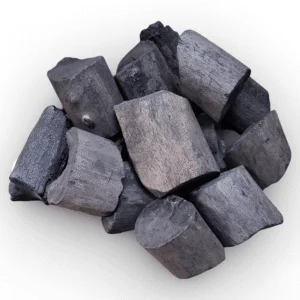
The first step is choosing consistent raw material. Hardwood species can provide dense charcoal, while properly managed wood resources can support a more responsible supply chain.
Good production practices consider the origin, condition, and moisture level of the wood. Suppliers should be able to explain where the raw material comes from and how sourcing is managed.
- Use wood from legal and responsibly managed sources.
- Prefer suitable residues or by-products when practical.
- Control moisture before carbonization for consistent results.
- Maintain traceability from raw material to finished charcoal.
2. How Hardwood Charcoal Is Carbonized
The prepared wood enters a kiln or retort where heat is applied with restricted oxygen. Instead of burning rapidly, the wood undergoes carbonization and gradually becomes charcoal.
Temperature, airflow, heating time, and kiln design all affect the final product. Controlled carbonization helps create charcoal with stable carbon content, suitable density, and predictable burning characteristics.
Modern production can also capture or manage gases and heat generated during the process. Better process control may reduce waste and improve energy efficiency compared with poorly managed traditional methods.
3. Quality Control After Carbonization
Once carbonization is complete, the charcoal must cool safely before handling and grading. Producers can then inspect pieces for size, density, moisture, ash, and visible impurities.
Consistent Hardwood Charcoal should match the buyer’s intended application. Restaurant, BBQ, shisha, and industrial users may require different specifications, so grading and screening are important.
- Check moisture and ash levels.
- Screen pieces by size and remove excessive fines.
- Inspect for soil, bark, and other unwanted material.
- Pack the finished product to protect it from moisture.
4. What Makes Hardwood Charcoal More Sustainable?
Sustainability is not determined by the charcoal name alone. It depends on responsible sourcing, efficient production, traceability, and how forests and raw materials are managed.
A credible supplier should communicate sourcing practices rather than making vague environmental claims. Buyers can also review documentation and ask about origin, production methods, packaging, and quality testing.
For broader background on charcoal and carbonization, readers can explore this trusted reference.
5. Benefits of Choosing Responsibly Made Hardwood Charcoal
Well-produced Hardwood Charcoal can offer dependable heat, a practical burn time, and consistent performance for many commercial and household applications. Sustainable sourcing can also help buyers align fuel purchasing with responsible procurement goals.
For importers and distributors, consistency is especially valuable. Stable specifications make it easier to plan packaging, shipping, inventory, and customer requirements.
6. What Buyers Should Ask a Supplier
Before ordering Hardwood Charcoal, buyers should request clear product specifications and sourcing information. This helps compare suppliers on more than price alone.
- What wood species and sources are used?
- How is the wood dried and carbonized?
- What are the typical moisture and ash specifications?
- What sizes, packaging options, and minimum order quantities are available?
- Can the supplier provide samples or quality documentation?
7. Building a Responsible Hardwood Charcoal Supply Chain
Making Hardwood Charcoal from sustainable wood requires attention at every stage, from responsible raw-material selection to controlled carbonization, careful grading, and protective packaging. Each step can influence product quality and the environmental profile of the finished fuel.
For businesses seeking a reliable supply partner, transparency and consistent specifications should be central to the buying decision. Visit CV BERKAH WIJIL to learn more about sourcing and Hardwood Charcoal supply options.
By understanding how Hardwood Charcoal is produced, buyers can make more informed decisions about quality, origin, and sustainability. A responsible approach benefits both commercial users and the resources that support long-term charcoal production while creating greater confidence for international buyers.