
Blog
7 Key Differences: Coconut Charcoal Briquettes vs Wood Charcoal

Table of Contents
- Coconut Charcoal Briquettes vs Wood Charcoal
- Raw Materials and Production
- Burning Time and Heat
- Ash and Cleanliness
- Sustainability and Environmental Impact
- Quality and Commercial Use
- Which Charcoal Should You Choose?
Coconut Charcoal Briquettes vs Wood Charcoal: 7 Key Differences
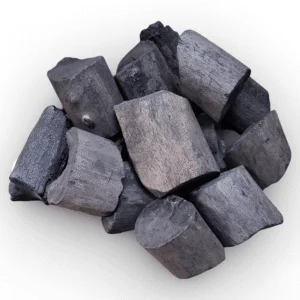
Coconut Charcoal Briquettes and traditional wood charcoal are widely used as solid fuel for cooking, heating, and shisha or hookah applications. Although both products produce heat through combustion, their raw materials, performance, ash production, and environmental characteristics can differ significantly.
Understanding these differences helps households, restaurants, shisha businesses, and international buyers select the right charcoal for their specific requirements.
1. Raw Materials and Production
The first major difference is the source material. Coconut Charcoal Briquettes are commonly produced from coconut shells, an agricultural by-product that can be processed into charcoal before being crushed, mixed with a natural binder, shaped, and dried.
Traditional wood charcoal is produced by heating wood under controlled conditions with limited oxygen. The type of wood, carbonization process, and production method can significantly affect the final charcoal quality.
2. Burning Time and Heat
Coconut Charcoal Briquettes are valued for their relatively consistent shape and density, which can support steady heat during use. This characteristic is particularly useful for shisha applications where users often want stable heat for an extended session.
Wood charcoal can also provide strong heat, but burning performance varies depending on the wood species, charcoal size, moisture content, and production quality. For commercial buyers, consistent specifications can therefore be an important purchasing consideration.
3. Ash Production and Cleanliness
Another important consideration is ash. High-quality Coconut Charcoal Briquettes are often designed to produce relatively low ash compared with many conventional charcoal products, making them attractive for applications where cleanliness matters.
- Lower ash can reduce the frequency of ash removal.
- Consistent briquette sizes support predictable handling.
- Clean-burning characteristics can improve the overall user experience.
- Actual ash content depends on raw materials and manufacturing quality.
Wood charcoal can also be produced with good performance, but its ash content may vary considerably according to the source wood and manufacturing process.
4. Sustainability and Environmental Impact
Sustainability is one reason Coconut Charcoal Briquettes have attracted attention in international markets. Using coconut shells as a raw material can give an agricultural by-product a useful second purpose instead of leaving it as unmanaged waste.
Wood charcoal, meanwhile, depends directly on timber resources. Responsible forestry and properly managed production are important factors when evaluating the environmental impact of wood-based charcoal.
For additional background on charcoal and carbon-related materials, readers can consult Wikipedia as a general reference source.
5. Quality, Shape, and Consistency
One advantage of Coconut Charcoal Briquettes is their standardized shape. Cube, flat, and other geometric formats can provide more predictable portions and make packaging, transportation, and storage easier.
Traditional wood charcoal often has irregular shapes because it retains the natural structure of the original wood. While this does not automatically mean lower quality, uniformity can be especially valuable for businesses that need consistent fuel performance.
- Uniform size and shape
- Controlled moisture content
- Consistent density
- Low ash specifications
- Stable burning performance
6. Choosing the Right Charcoal for Your Application
The best option depends on how the charcoal will be used. Coconut Charcoal Briquettes are particularly suitable for buyers seeking consistent sizing, controlled specifications, and a coconut-shell-based raw material.
Traditional wood charcoal may be preferred where a natural wood aroma, specific heat behavior, or particular cooking tradition is important. Restaurants and food businesses should consider their cooking method, equipment, desired heat level, and supply requirements before making a decision.
7. Why Product Specifications Matter
Regardless of the charcoal type, product specifications should be evaluated before purchasing. For Coconut Charcoal Briquettes, buyers may review ash content, moisture level, fixed carbon, burning duration, dimensions, packaging, and available certifications.
These details are especially important for wholesale and international orders because consistent specifications can help businesses maintain predictable operations. Buyers can also visit our website to learn more about charcoal products and sourcing options from CV BERKAH WIJIL.
In summary, Coconut Charcoal Briquettes differ from traditional wood charcoal in raw materials, production methods, shape, ash characteristics, consistency, and sustainability considerations. Neither option is universally best for every application, so the right choice should be based on performance requirements and product specifications.
For businesses seeking a practical and consistent solid fuel, Coconut Charcoal Briquettes can be an attractive alternative to conventional wood charcoal. Comparing verified specifications and understanding the intended application is the best way to make an informed purchasing decision.