
Blog
7 Powerful Facts About How Lump Charcoal Is Made from Indonesian Hardwood

How Lump Charcoal Is Made from Indonesian Hardwood: Complete Production Guide
Table of Contents
How Lump Charcoal Is Made from Indonesian Hardwood is one of the most searched topics among charcoal buyers, importers, and barbecue enthusiasts. Indonesia has earned an excellent reputation for producing premium hardwood lump charcoal thanks to abundant natural resources, experienced craftsmanship, and strict quality control.
Understanding How Lump Charcoal Is Made from Indonesian Hardwood helps buyers appreciate why Indonesian charcoal is highly valued in international markets. From carefully selected hardwood to controlled carbonization, every production stage influences the final quality.
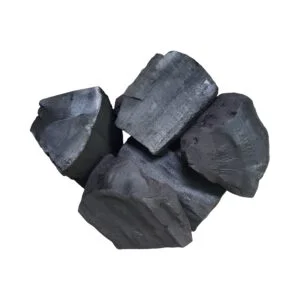
Overview of How Lump Charcoal Is Made from Indonesian Hardwood
How Lump Charcoal Is Made from Indonesian Hardwood begins with selecting dense hardwood species that produce high heat and long-lasting combustion. Only properly seasoned wood is chosen to ensure consistent carbonization and minimal moisture.
Experienced producers monitor every production phase carefully, allowing the charcoal to achieve excellent fixed carbon content while maintaining structural strength.
Raw Materials Used
The quality of the final charcoal depends heavily on the raw material. Sustainable Indonesian hardwood provides dense wood fibers that create durable lump charcoal suitable for grilling, restaurants, and industrial applications.
- Carefully selected Indonesian hardwood
- Naturally dried timber
- Low moisture content
- Sustainably sourced materials
- No chemical additives
These premium materials explain How Lump Charcoal Is Made from Indonesian Hardwood results in charcoal that burns hotter and cleaner than many alternatives.
Production Process of How Lump Charcoal Is Made from Indonesian Hardwood
The first stage involves cutting hardwood into uniform sizes before drying. Proper drying improves carbonization efficiency and reduces smoke during production.
Next, the wood is placed inside traditional or modern kilns where oxygen is carefully limited. During this carbonization stage, volatile compounds are removed while preserving the carbon structure.
After cooling naturally, workers sort the charcoal by size and remove broken or under-carbonized pieces. This quality inspection ensures only export-grade products reach customers.
The final packaging protects the charcoal from moisture and contamination throughout storage and international shipping. This complete process demonstrates How Lump Charcoal Is Made from Indonesian Hardwood using reliable manufacturing techniques.
Quality Standards
Premium Indonesian lump charcoal is evaluated using several important quality indicators.
- High fixed carbon content
- Low moisture percentage
- Low ash production
- Long burning time
- High calorific value
- Minimal smoke
- Natural hardwood aroma
Maintaining these standards ensures How Lump Charcoal Is Made from Indonesian Hardwood consistently meets the expectations of distributors and global importers.
Benefits of Indonesian Hardwood Lump Charcoal
One major advantage is longer burning performance, allowing users to cook efficiently with fewer charcoal replacements. Stable heat also improves cooking consistency for restaurants and barbecue businesses.
Another benefit is environmental responsibility. Many Indonesian producers use legally sourced hardwood and sustainable production methods to reduce environmental impact.
For additional information about charcoal production, visit Wikipedia. You can also explore our premium charcoal products at CV BERKAH WIJIL.
Conclusion
How Lump Charcoal Is Made from Indonesian Hardwood reflects generations of expertise combined with modern quality control. Every stage, from hardwood selection to packaging, contributes to superior charcoal performance.
Whether you are a wholesaler, importer, retailer, or barbecue enthusiast, understanding How Lump Charcoal Is Made from Indonesian Hardwood helps you select premium products that deliver consistent heat, long burning time, and dependable quality for global markets.