
Blog
5 Key Stages in the Carbonization of COCONUT SHELL CHARCOAL

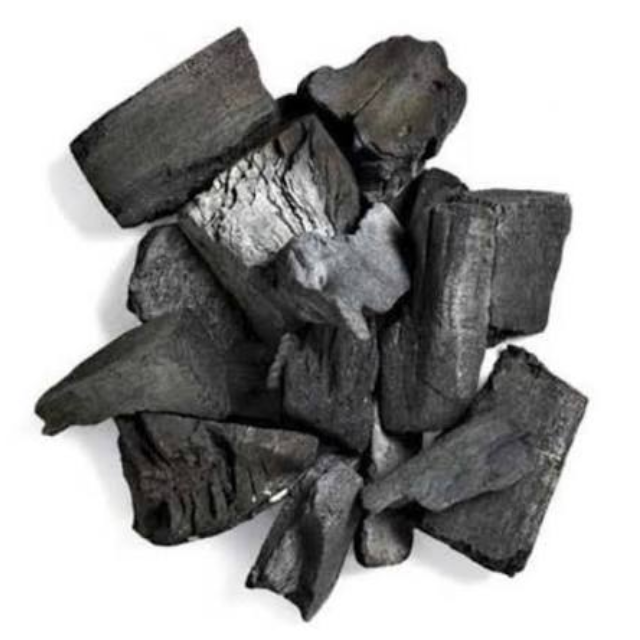
5 Key Stages in the Carbonization of COCONUT SHELL CHARCOAL
Table of Contents
- Understanding High-Grade COCONUT SHELL CHARCOAL
- 1. Raw Shell Selection and Preparation
- 2. Controlled Thermal Kiln Carbonization
- 3. Natural Cooling and Quenching Method
- 4. Crushing and Granular Mesh Screening
- 5. Quality Testing and Moisture Verification
- B2B Procurement with CV BERKAH WIJIL
Understanding High-Grade COCONUT SHELL CHARCOAL
Manufacturing export-quality COCONUT SHELL CHARCOAL requires a specialized thermal conversion process known as pyrolytic carbonization. This precise technique converts raw agricultural shells into dense carbonaceous material, producing clean-burning fuel for industrial processing, activated carbon production, and premium shisha briquettes worldwide.
Sourcing premium COCONUT SHELL CHARCOAL from Indonesia ensures high caloric heat output and minimal ash content due to the exceptional fiber density of mature local coconut crops. To explore the fundamental chemical principles of thermal degradation, read this comprehensive overview of charcoal on Wikipedia.
1. Raw Shell Selection and Preparation
The production of high-grade COCONUT SHELL CHARCOAL begins with harvesting fully matured, dry coconut shells from local plantations. Immature shells contain excess moisture and lower organic carbon density, which negatively impacts the final burning quality of processed carbon material.
Workers clean the raw material by removing residual coconut fiber, husk fragments, and soil contaminants prior to loading into carbonization kilns. Proper sorting guarantees that final batch yields remain free from non-carbon impurities. Explore our complete export portfolio of biomass energy by visiting our official global portal today.
2. Controlled Thermal Kiln Carbonization
The core phase of manufacturing COCONUT SHELL CHARCOAL occurs within specialized traditional brick or drum kilns under restricted oxygen conditions. Operators carefully control internal temperatures between 500°C and 700°C to drive off volatile organic compounds without consuming the solid fixed carbon content.
This pyrolytic reaction transforms raw organic husks into highly stable carbonized COCONUT SHELL CHARCOAL over several hours. Proper airflow control prevents complete combustion into ash, ensuring maximum yield of dense black charcoal pieces with superior energy potential.
3. Natural Cooling and Quenching Method
Once carbonization reaches completion, the kilns are completely sealed off from external oxygen to allow gradual natural cooling. Attempting to accelerate cooling by spraying water damages the structural integrity of natural COCONUT SHELL CHARCOAL and introduces undesirable moisture levels.
Dry-quenched COCONUT SHELL CHARCOAL retains its natural hardness and mechanical strength, resisting breakage during bulk handling and maritime transport. This meticulous cooling protocol guarantees low moisture content under 8% for instant industrial lighting and processing.
4. Crushing and Granular Mesh Screening
After cooling, technicians discharge the raw COCONUT SHELL CHARCOAL for mechanical screening and uniform sizing. Heavy vibrating screen sifters separate fine dust, small granules, and large un-carbonized shell fragments into distinct commercial classifications.
Industrial activated carbon manufacturers demand specific mesh sizes of COCONUT SHELL CHARCOAL to optimize downstream activation reactors. Meanwhile, briquette producers utilize fine crushed material to craft high-density shisha cubes with smooth surface finishes.
5. Quality Testing and Moisture Verification
Every production batch of COCONUT SHELL CHARCOAL undergoes rigorous laboratory evaluation to verify compliance with international trade parameters. Quality control officers test samples for fixed carbon percentage, volatile matter content, total ash residue, and moisture absorption rates.
Certified COCONUT SHELL CHARCOAL consistently yields fixed carbon levels exceeding 75% alongside light white ash output under 2.5%. These verified parameters provide commercial buyers with total confidence in thermal combustion reliability across diverse industrial applications.
B2B Procurement with CV BERKAH WIJIL
CV BERKAH WIJIL is a trusted Indonesian manufacturer specializing in bulk export of premium COCONUT SHELL CHARCOAL for global industrial buyers. We manage strict quality control standards across all carbonization stages to deliver consistent commodity shipments worldwide.
Partner with CV BERKAH WIJIL to secure factory-direct supply agreements for top-tier COCONUT SHELL CHARCOAL. Contact our international export department today to request bulk price quotations, laboratory analysis certificates, or custom packaging options tailored to your business needs.
Related Posts
Complete Guide Features of Halaban Wood Charcoal for Premium BBQ
How Sustainable Coconut Shell Charcoal Protects 100% Tropical Forests
7 Sustainable Ways Charcoal Reduces Global Carbon Footprints
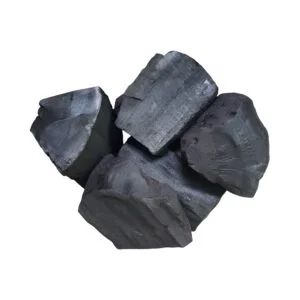
5 Reasons Commercial BBQ Venues Choose Premium Hardwood Charcoal
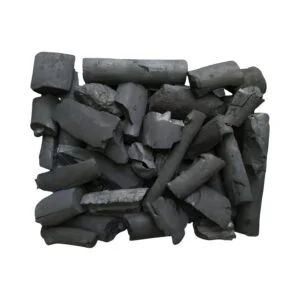
Hardwood Charcoal vs Coconut Charcoal 100%: Which Is Best?

3 Popular Shapes of Charcoal Briquettes Compared for B2B Importers

5 Common Fuel Mistakes Hookah Lounges Make Selecting Charcoal

5 Best Ways Coconut Shell Briquettes Enhance Your Shisha Experience
5 Key Factors to Import Bulk Charcoal From Indonesia

7 Amazing Facts About Eco-Friendly Charcoal Briquettes
5 Best Reasons Commercial Kitchens Rely on Charcoal
