
Blog
7 Reasons Commercial Restaurants Switch to Charcoal Briquettes


Why Commercial Grilling Chains Switch to Eco-Friendly Charcoal Briquettes
High-volume commercial kitchens, steakhouses, and barbecue chains require heating solutions that provide consistent thermal performance while keeping operational costs manageable. Professional culinary teams are replacing traditional fuels with premium Charcoal Briquettes to achieve cleaner burns, extended cooking hours, and superior temperature control across busy shifts.
Table of Contents
- 1. Unmatched Heat Consistency & Temperature Control
- 2. Extended Burn Duration for High-Volume Kitchens
- 3. Low Ash Output & Minimal Maintenance Overhead
- 4. Odorless and Smoke-Free Grilling Performance
- 5. Eco-Friendly Agricultural Waste Upcycling
- 6. Superior Cost Efficiency and Reduced Fuel Waste
- 7. Reliable Direct Wholesale Supply Chains
1. Unmatched Heat Consistency & Temperature Control
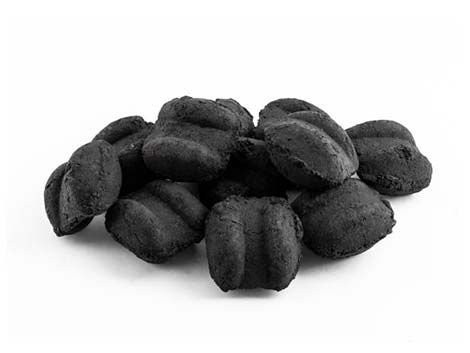
Unlike raw wood fuels that suffer from irregular shapes and uneven burning rates, natural coconut shell Charcoal Briquettes are engineered to uniform geometric densities. This structural uniformity guarantees a steady calorific output averaging between 7,300 and 7,500 kcal/kg across the entire grilling surface.
Chef teams operating busy commercial kitchens depend on this predictable thermal energy to eliminate hot spots on grill grates. Using high-density Charcoal Briquettes allows kitchen staff to achieve precise internal meat temperatures consistently without constantly adjusting fuel placement.
2. Extended Burn Duration for High-Volume Kitchens
Commercial restaurant grills often operate continuously for 8 to 12 hours daily. Compacted coconut Charcoal Briquettes burn continuously for up to 3 to 4 hours per batch, significantly outlasting lump wood fuels during peak dinner rushes.
This extended burn longevity means kitchen staff spend far less time restocking live coals during food service. Lowering fuel consumption frequency directly boosts kitchen workflow efficiency and reduces heat volatility in open kitchen layouts.
3. Low Ash Output & Minimal Maintenance Overhead
Excessive ash buildup chokes airflow vents in commercial cooking equipment, dropping pit temperatures and increasing cleanup labor. Premium coconut shell Charcoal Briquettes leave an exceptionally low white ash content of under 2.5%, keeping airflow channels clear throughout long service shifts.
Discover more about carbonization physics and density engineering by reading Wikipedia’s entry on briquette processing. Lower ash production minimizes maintenance downtime and protects expensive stainless steel equipment from premature wear.
4. Odorless and Smoke-Free Grilling Performance
Modern dining trends favor open-concept kitchens and indoor ventilation systems that require clean-burning fuels. High-purity Charcoal Briquettes burn cleanly without acrid smoke, sparks, or unpleasant chemical fumes that could alter food flavors or irritate indoor restaurant guests.
5. Eco-Friendly Agricultural Waste Upcycling
Sustainability is now a core priority for global hospitality brands. Manufacturing coconut shell Charcoal Briquettes utilizes 100% natural agricultural byproducts without cutting down hardwood forests, offering restaurant chains a certified zero-deforestation fuel alternative.
6. Superior Cost Efficiency and Reduced Fuel Waste
Because dense Charcoal Briquettes burn slower and more completely than traditional lump fuels, restaurant operators consume fewer total kilograms per cooking shift. Reduced shipping weight and compact storage volumes translate directly to lower monthly procurement budgets.
7. Reliable Direct Wholesale Supply Chains
Franchise restaurant chains need dependable, year-round ingredient and fuel sourcing to keep menus operating seamlessly across multiple locations. Leading Indonesian suppliers deliver standardized container shipments of export-grade Charcoal Briquettes with full customs compliance.
To explore our complete inventory of eco-friendly bio-fuel solutions, visit our official website catalog. Partnering with CV BERKAH WIJIL equips your enterprise with high-performance Charcoal Briquettes built specifically for commercial success.