
Blog
5 Key Factors to Import Bulk Charcoal From Indonesia


5 Key Factors to Consider When Importing Bulk Charcoal From Indonesia
Welcome to our educational B2B guide on international supply chain management and biomass energy procurement. Importing high-density natural Charcoal from Southeast Asia has become the preferred strategy for global distributors seeking clean, reliable fuel. Understanding key technical parameters and shipping regulations ensures your bulk Charcoal trade operations run smoothly without costly port delays.
Table of Contents
- 1. Evaluating Technical Charcoal Specifications
- 2. Assessing Raw Material Sourcing and Purity
- 3. Navigating International Shipping Safety Regulations
- 4. Inspecting OEM Packaging and Custom Branding
- 5. Verifying Manufacturer Credentials and Capacity
- 6. Implementing Pre-Shipment Quality Control
- 7. Partnering with CV Berkah Wijil
1. Evaluating Technical Charcoal Specifications for Quality Control
Analyzing laboratory test reports allows procurement managers to verify fixed carbon ratios and calorific density prior to placing container orders. High-grade natural Charcoal contains over 80% fixed carbon and under 6% moisture for instant ignition and sustained heat. To learn more about carbonization science and biomass energy standards, you can read about charcoal on Wikipedia.
Confirming that your imported Charcoal produces less than 2.5% ash residue ensures complete satisfaction for commercial hookah lounges and culinary buyers.

2. Assessing Raw Material Sourcing and Purity
The botanical origin of raw biomass dictates whether the final burning product suits specialized shisha applications or heavy-duty barbecue grilling. Pure coconut shell Charcoal burns without smoke or foul odor, preserving natural food and tobacco aromas perfectly. In contrast, dense hardwood Charcoal offers extreme thermal output that satisfies professional steakhouse kitchens and industrial boilers.
Ensuring your prospective manufacturer avoids chemical binders guarantees clean-burning performance across all commercial markets.
3. Navigating International Charcoal Shipping Safety Regulations
Because carbonized biomass can spontaneously combust under improper storage, ocean freight carriers enforce strict shipping documentation and compliance tests. Verified export-grade Charcoal requires valid Material Safety Data Sheets (MSDS) and SADT self-heating test certifications. Securing these mandatory safety documents guarantees smooth customs clearance at international container ports worldwide.
Working with experienced maritime freight logistics specialists prevents unexpected container holds and costly demurrage charges.
4. Inspecting OEM Packaging and Custom Branding Options
Retail packaging must protect sensitive carbonized products from humidity during long ocean transit shifts. Superior export packaging for bulk Charcoal incorporates heavy-duty inner plastic liners inside double-wall corrugated master cartons. Custom OEM branding allows wholesale distributors to launch proprietary product lines efficiently across target regional markets.
Vapor-proof inner packaging ensures your shipments arrive at retail destinations completely dry and ready for immediate sale.
5. Verifying Charcoal Manufacturer Credentials and Export Capacity
Evaluating production infrastructure and factory monthly output capacity prevents supply shortages during peak sales seasons. Reputable Charcoal exporters maintain modern continuous-drying ovens and automated briquetting machinery to uphold consistent product quality. Partnering with a fully certified factory secures stable pricing and reliable bulk container availability year-round.
Requesting factory audit reports and video inspections builds long-term confidence before transferring initial container deposits.
6. Implementing Pre-Shipment Quality Control Protocols
Conducting drop tests and moisture checks right before container sealing protects your capital investment from factory defect risks. Third-party inspection agencies verify that every batch of Charcoal meets agreed contract specifications before loading. Systematic quality control ensures uniform cube dimensions and zero breakage during long-distance ocean transport.
Detailed pre-shipment inspection certificates give international buyers peace of mind across every commercial shipment.
7. Partnering with CV Berkah Wijil for Premium Global Supply
Building a successful import pipeline requires working alongside a dependable Indonesian manufacturer dedicated to export excellence. To review our full biomass product catalog and container shipping options, visit the Indonesian Charcoal official website today. Empower your international distribution business with high-purity natural Charcoal crafted for performance.
Contact our experienced export logistics managers today to receive detailed FOB pricing quotes and sample shipments.
Related Posts
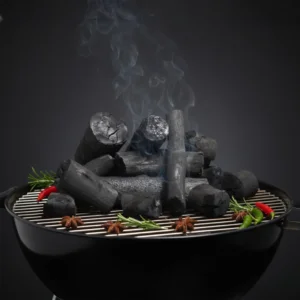
7 Sustainable Ways Charcoal Reduces Global Carbon Footprints
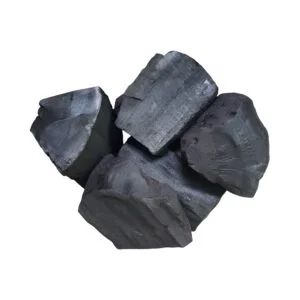
5 Reasons Commercial BBQ Venues Choose Premium Hardwood Charcoal
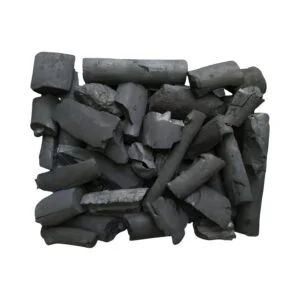
Hardwood Charcoal vs Coconut Charcoal 100%: Which Is Best?

3 Popular Shapes of Charcoal Briquettes Compared for B2B Importers

5 Common Fuel Mistakes Hookah Lounges Make Selecting Charcoal

5 Best Ways Coconut Shell Briquettes Enhance Your Shisha Experience
5 Best Reasons Commercial Kitchens Rely on Charcoal

5 Reasons Charcoal Briquettes Help Reduce Global Deforestation
Coconut Shell Charcoal vs Hardwood Charcoal: 5 Key Industrial Uses

5 Key Reasons Coconut Charcoal Briquettes Beat Hardwood
7 Powerful Charcoal Tips for Choosing the Best Quality