
Blog
Coconut Shell vs Hardwood Charcoal: 5 Critical Differences

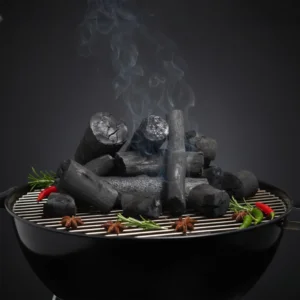
Coconut Shell vs Hardwood Charcoal: Which Performs Better?: coconut shell hardwood
Table of Contents
H2 6 Essential Quality Certifications and Lab Test Reports for Global Importers
- Introduction to Natural Carbon Materials
- 1. Carbon Density and Thermal Calorific Output
- 2. Burn Duration and Operational Efficiency
- 3. Ash Content and Smoke Purity Standards
- 4. Environmental Impact and Sustainability
- 5. Final Commercial Verdict for Importers
Introduction to Natural Carbon Materials
Selecting the optimal raw material for commercial briquettes is essential for hookah lounge operators, barbecue chefs, and global importers. Sourcing carbon derived from natural Coconut Shell waste has revolutionized the global thermal energy sector over recent years.
H2 8 How to Request Verified Samples from Indonesian Charcoal Manufacturers
While traditional hardwood charcoal has been utilized for centuries, dense Coconut Shell carbon delivers vastly superior heat stability and combustion efficiency. Learn more about organic carbonization techniques in this informative guide on charcoal production.
1. Carbon Density and Thermal Calorific Output
Thermal performance relies heavily on the physical cell structure of the raw organic material prior to processing. Raw Coconut Shell carbon possesses an exceptionally dense fibrous matrix that generates calorific values exceeding 7,200 kcal/kg when compressed into briquettes.
Hardwood logs vary significantly in timber density, leading to hot spots, sparking, and rapid temperature spikes during combustion. In contrast, Coconut Shell briquettes maintain constant, radiant heat output throughout the entire burning cycle without unpredictable thermal fluctuations.
2. Burn Duration and Operational Efficiency
Commercial buyers prioritize burn duration to maximize fuel cost-efficiency and reduce labor overhead during long cooking sessions. High-density Coconut Shell briquettes burn continuously for 2.5 to 3 hours under standard airflow conditions.
Standard lump wood or hardwood briquettes typically burn out within 60 to 90 minutes due to higher porosity. Utilizing premium Coconut Shell fuel cuts total consumption rates nearly in half while keeping cooking temperatures completely steady.
3. Ash Content and Smoke Purity Standards
Clean combustion is critical for shisha lounges and indoor culinary applications where smoke odor ruins the user experience. Processed Coconut Shell briquettes produce under 2.5% light-gray ash residue, leaving virtually no clinker or unburned debris.
Hardwood charcoal frequently leaves up to 8% dark ash that restricts airflow and creates unpleasant chemical smoke. Pure Coconut Shell briquettes burn completely odorless and flavorless, preserving the natural taste profile of food and hookah tobacco mixtures.
4. Environmental Impact and Sustainability
Global eco-regulations make sustainable sourcing a top priority for modern international distributors and retail brands. Utilizing Coconut Shell byproducts transforms agricultural waste into high-value clean energy without felling a single living tree.
Conversely, commercial hardwood harvesting contributes directly to tropical deforestation and soil erosion across developing nations. Sourcing green Coconut Shell products protects natural forest ecosystems while fulfilling corporate eco-compliance goals. Explore our full sustainable export lineup by visiting our official Indonesian charcoal website today.
5. Final Commercial Verdict for Importers
When comparing heat density, burn duration, ash residue, and ecological footprint, raw coconut carbon consistently outperforms traditional timber. B2B importers, catering businesses, and shisha lounge franchises achieve lower operating expenses and higher customer satisfaction by choosing coconut-derived fuels.
CV BERKAH WIJIL manufactures export-grade briquettes engineered from 100% Indonesian coconut materials. Contact our sales department to receive factory specs, custom OEM packaging options, and bulk container quotations tailored to your market.
Direvisi oleh adminDG