
Blog
Charcoal: 7 Powerful Types, Uses, and Benefits Explained

Table of Contents
- Types of Charcoal
- Common Uses
- Key Benefits
- How to Choose the Right Option
- Quality and Responsible Sourcing
- Final Thoughts
What Is Charcoal? Types, Uses, and Benefits Explained
Charcoal is a carbon-rich material produced by heating wood or other organic materials in a low-oxygen environment. It has been used for centuries for cooking, heating, filtration, and industrial applications. Understanding its types, uses, and benefits helps buyers select a product that matches their needs.
This material is valued because controlled heating removes much of the moisture and volatile compounds from biomass, leaving a lightweight product with a high carbon content. Its performance can vary significantly depending on the raw material, production method, size, moisture level, and intended application.
Types of Charcoal
Not all forms are the same. The most common categories differ in how they are produced and what they are designed to do.
- Lump Charcoal: Made from natural wood and commonly used for grilling. It can provide strong heat and a distinctive cooking aroma.
- Charcoal Briquettes: Formed by compressing carbonized material with binders or other ingredients. Briquettes offer consistent shapes and predictable burning performance.
- Hardwood Charcoal: Produced from dense hardwood species and often selected for longer burning time, stable heat, and food preparation.
- Activated Charcoal: Specially processed to create a highly porous structure. It is widely used in filtration and adsorption applications.
- Industrial Charcoal: Manufactured for specific commercial processes where controlled carbon content, size, and combustion characteristics are important.
Common Uses of Charcoal
This carbon-rich material has applications across households, hospitality, agriculture, water treatment, and manufacturing. Its ability to generate heat or adsorb certain substances makes it useful in different environments.
For cooking, it is popular for grilling because it can reach high temperatures and produce a characteristic smoky flavor. Restaurants, caterers, and outdoor cooking businesses may select different grades depending on cooking equipment, operating time, and heat requirements.
In filtration, activated forms can adsorb certain impurities and organic compounds. They are therefore used in some water and air purification systems, although the appropriate grade and treatment method depend on the application.
Industrial users may also rely on this material as a carbon source or reducing agent in selected manufacturing processes. Particle size, ash content, moisture, and fixed carbon can be important specifications when purchasing for commercial use.
Key Benefits of Charcoal
The benefits of this material depend on its type and quality, but several characteristics make it commercially valuable.
- Efficient heat: Suitable grades can provide concentrated heat for cooking and selected heating applications.
- Versatile applications: Different forms can serve culinary, filtration, agricultural, and industrial purposes.
- Easy handling: Many products are lightweight and convenient to transport and store when kept dry.
- Consistent performance: Properly produced and graded material can offer predictable burning or adsorption characteristics.
- Renewable feedstock potential: When responsibly sourced from suitable biomass, production can be part of a managed resource cycle.
How to Choose the Right Option
Choosing the right product should begin with the intended application. Cooking users may prioritize heat output, burn time, smoke characteristics, ash production, and piece size, while industrial buyers may require detailed technical specifications.
- Check the raw material and production method.
- Compare moisture, ash, and fixed carbon specifications where relevant.
- Choose the appropriate size and form for your equipment.
- Confirm packaging and storage conditions to prevent moisture absorption.
- For commercial purchases, request consistent quality specifications and supply capacity.
Quality and Responsible Sourcing
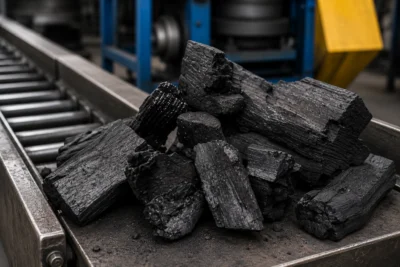
Quality products start with suitable raw materials and controlled production. Responsible sourcing is also important because biomass supply chains can affect forests, communities, and the wider environment.
Buyers should ask suppliers about raw material sources, production standards, packaging, and quality control. For general background on carbon and related materials, readers can also consult Wikipedia as an external reference.
For businesses seeking dependable supply options, visit CV BERKAH WIJIL to explore charcoal-related products and sourcing information.
Final Thoughts
Charcoal is a versatile carbon-based material with a wide range of uses, from grilling and hospitality to filtration and industrial applications. The right product depends on its raw material, production method, specifications, and intended purpose.
By understanding the main types, benefits, and quality factors, buyers can make more informed purchasing decisions. Whether you need cooking fuel or a commercial carbon material, selecting the correct grade and working with a reliable supplier can improve performance and consistency.